






Palpitations may seem stronger at night because there are fewer distractions and the heartbeat can be easier to notice when resting or lying quietly. Body position may also make the sensation more apparent, even when the heartbeat itself has not significantly changed.
When Do Heart Palpitations Need Medical Attention?

Dr Eric Hong
Senior Consultant Cardiologist & Internal Medicine Physician
MB BCh (Ireland), MRCP (United Kingdom), FAMS (Cardiology), DIP (CBNC, USA), FSCAI (SCAI, USA), FACC (ACC, USA), FESC (European Society of Cardiology, France), FRCP (Edinburgh, United Kingdom)

Heart palpitations should be medically assessed when they keep returning, become more frequent or represent a noticeable change from your usual heartbeat. More urgent medical attention may be needed when palpitations occur with symptoms such as chest pain, shortness of breath, dizziness or fainting.
A sudden flutter, racing sensation or unusually forceful heartbeat can be difficult to interpret, particularly when it disappears as quickly as it started. While heart palpitations are common and do not always indicate a heart problem, how often they occur, what you are doing when they happen and whether other symptoms occur at the same time can help determine whether further assessment is appropriate.
Key Takeaways
- Heart palpitations can occur when a normal heartbeat becomes more noticeable or when the heart's rate or rhythm changes.
- Palpitations with chest pain, marked shortness of breath, fainting or severe dizziness may require emergency medical attention.
- Palpitations that do not settle, keep returning or become more frequent should be medically assessed, even if individual episodes eventually stop.
- A normal ECG between episodes does not rule out an intermittent rhythm problem, so longer rhythm monitoring may be considered when symptoms come and go.
What Causes Heart Palpitations?
Palpitations can occur when the heart is beating normally but feels unusually noticeable, or when there is an actual change in heart rate or rhythm. This means the sensation can have several possible explanations, some temporary and others requiring further investigation.
| Possible Cause | How It May Relate to Palpitations |
|---|---|
| Temporary or lifestyle-related triggers | Physical exertion, emotional stress and inadequate sleep can temporarily make the heartbeat faster or more noticeable. |
| Substances or medication | Caffeine, alcohol, nicotine and certain medicines can affect heart rate or make palpitations more noticeable in some people. |
| Medical conditions outside the heart | Conditions such as an overactive thyroid or iron deficiency anaemia can affect how the heart beats. Changes in the body's normal electrolyte balance may also contribute in some situations. |
| Heart-related conditions | An abnormal heart rhythm can cause the heart to beat too quickly, too slowly or irregularly. Other cardiovascular conditions can sometimes also be associated with palpitations. |
When Are Heart Palpitations a Cause for Concern?
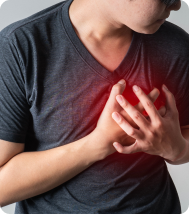
Heart palpitations are more concerning when they occur with chest pain, marked shortness of breath, fainting or severe dizziness. These symptoms can indicate that the heart or circulation is being affected and can require emergency medical attention.
Palpitations also warrant medical assessment when an episode does not settle, or when episodes keep returning or become more frequent. Even if the heartbeat eventually returns to normal, a changing or recurring pattern can provide a reason to investigate whether an abnormal heart rhythm or another underlying condition is contributing.
Your medical background can also change how new palpitations are assessed. If you already have cardiovascular disease or a family history of significant heart problems, new or unexplained palpitations can warrant investigation even without the warning symptoms above.

How Do Cardiologists Evaluate Heart Palpitations?
Palpitations may have stopped by the time an appointment takes place. A cardiologist therefore uses details of the episode to guide the assessment, even when the heartbeat appears normal during the visit.
Examining the Pattern of Your Palpitations
A cardiologist may consider details such as:
- How suddenly the palpitations started and stopped
- Whether the heartbeat felt regular or irregular
- What the person was doing when the episode began
- Current medication and relevant medical history
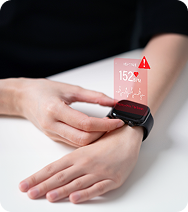
- Any pulse readings or wearable-device records captured during an episode
A physical examination may also help identify findings that point towards a cardiovascular or other medical explanation. Together, this information helps determine whether further investigation is needed and which type of test is most likely to be useful.
Conducting Tests to Identify Possible Causes
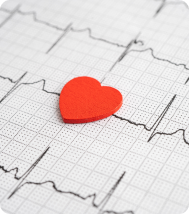
An electrocardiogram (ECG) records the heart's electrical activity and may identify an abnormal rhythm if it is present while the test is performed. However, a normal ECG taken between episodes does not necessarily explain intermittent palpitations.
Depending on what the initial assessment suggests, further testing may include:
- longer rhythm monitoring, such as a Holter monitor, when symptoms come and go; other monitoring devices may be considered when episodes occur less frequently
- blood tests when a non-cardiac contributor is suspected
- an echocardiogram when information about the heart's structure or function is clinically relevant
Not every person with palpitations requires the same combination of tests. The aim is to connect the sensation being experienced with objective findings where possible, so further investigation can be directed by what the individual episode suggests rather than routinely performing every available heart test.
Seek Medical Assessment for Recurring Heart Palpitations With Dr Eric Hong
Heart palpitations are not always easy to interpret from the sensation alone. Looking at when they occur, how long they last, whether they recur and any accompanying symptoms can help determine whether further investigation is needed.
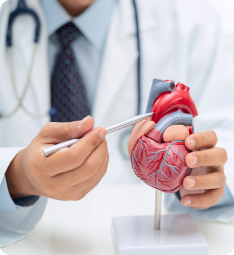
At EH Heart Specialist Clinic, Senior Consultant Cardiologist & Internal Medicine Physician Dr Eric Hong sees patients with unexplained or recurring palpitations. He can review the pattern of your episodes, consider possible cardiovascular causes and determine whether tests such as an ECG, rhythm monitoring or cardiac imaging are appropriate based on your findings.
If you have noticed a new or persistent change in your heartbeat, consider arranging an appointment to investigate what may be contributing to it.
Frequently Asked Questions About Heart Palpitations
A palpitation that feels like the heart has skipped a beat can occur when an early heartbeat is followed by a brief pause. The next beat may then feel stronger than usual, creating the sensation that a beat was missed even though the heart did not simply stop and restart.
Hormonal changes can influence heart rate and the body's response to stress or changes in circulation. This means palpitations may sometimes be noticed during pregnancy, menstruation or menopause, although new or troublesome episodes should not automatically be attributed to hormones without appropriate assessment.