








Coronary artery disease and previous heart attacks: Reduced blood supply or damage to the heart muscle can weaken its pumping ability.

Heart failure can have a significant impact on a person's health and daily life, making timely medical attention and appropriate long-term care important. With different causes, presentations and levels of severity, treatment needs to be tailored to each patient's condition and overall cardiovascular health.
At EH Heart Specialist in Singapore, Senior Consultant Cardiologist Dr Eric Hong provides comprehensive assessment and management of heart failure, with a patient-centred approach.
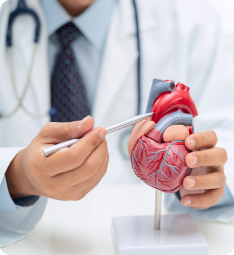
Heart failure is a condition in which the heart is unable to pump blood effectively enough to meet the body's needs. This can happen when the heart muscle becomes too weak to pump sufficient blood or too stiff to fill properly between heartbeats.
Despite its name, heart failure does not mean that the heart has stopped working. Instead, its ability to circulate blood is impaired, which can lead to symptoms such as breathlessness, fatigue and fluid retention.
Heart failure can also be classified according to how quickly it develops:
Symptoms develop suddenly or worsen rapidly, often requiring urgent medical attention.
The condition develops or persists over time, requiring ongoing treatment and monitoring to manage symptoms and reduce complications.
Heart failure, a heart attack and cardiac arrest are often confused with one another in common conversation because they all involve problems with the heart's function. However, they are distinct medical conditions with different underlying mechanisms.
The heart continues beating but cannot pump blood effectively enough to meet the body's needs.
Blood flow to part of the heart muscle becomes blocked, potentially damaging the heart muscle and contributing to heart failure. See our page on heart attack.
The heart suddenly stops pumping blood effectively, causing loss of consciousness and requiring immediate resuscitation.
A heart attack can lead to heart failure if the resulting damage weakens the heart's pumping ability. Severe heart failure can also increase the risk of dangerous heart rhythms that may cause cardiac arrest.
Heart failure can develop when conditions damage the heart muscle, increase its workload or affect its ability to pump and fill with blood. Common causes include:
Coronary artery disease and previous heart attacks: Reduced blood supply or damage to the heart muscle can weaken its pumping ability.
High blood pressure: Prolonged strain on the heart can cause the muscle to thicken, stiffen or weaken.
Heart valve disease: Narrowed or leaking heart valves disrupt blood flow and increase the heart's workload.
Cardiomyopathy: Diseases affecting the heart muscle can impair its ability to pump or fill with blood.
Heart rhythm disorders: Persistent abnormal heart rhythms, particularly rapid ones, can weaken the heart muscle over time.
Other contributing conditions include congenital heart disease, diabetes, chronic kidney disease and thyroid disorders.
Heart failure can cause a range of symptoms as the heart becomes less able to meet the body's circulatory needs. Symptoms may develop gradually or appear suddenly, with their severity varying according to the underlying condition and how advanced it is.
Common symptoms of heart failure include:
Difficulty breathing during physical activity, while lying flat or even at rest in more severe cases.
Feeling unusually tired or struggling with everyday activities because the body's tissues are not receiving sufficient blood flow.
Fluid accumulation caused by the heart's reduced ability to maintain effective circulation.
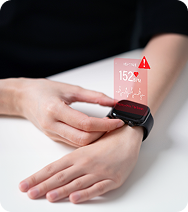
Palpitations or a racing heartbeat as the heart attempts to compensate for reduced pumping efficiency.
Particularly when lying down, due to fluid congestion in the lungs.
An increase in body weight over a short period caused by fluid retention rather than increased body fat.
Becoming breathless or exhausted during activities that were previously manageable.
Fluid accumulation in the abdomen, sometimes accompanied by reduced appetite or nausea.
Not everyone experiences the same symptoms, and some may initially be mild or mistaken for signs of ageing or poor fitness.
Heart failure is more likely to develop in people with existing cardiovascular conditions or health problems that place additional strain on the heart. Those at increased risk include:
Older adults, particularly those with age-related changes in heart function or existing cardiovascular disease.
People with coronary artery disease or a previous heart attack, which can damage or weaken the heart muscle.
People with high blood pressure or diabetes, especially when these conditions remain poorly controlled over time.
People who are overweight or obese, as excess body weight increases the heart's workload and is associated with cardiovascular disease.
People with a family history of cardiomyopathy, particularly those with inherited conditions affecting the heart muscle.
Having these risk factors does not mean that heart failure is inevitable. However, early identification and appropriate management can help reduce the risk of developing the condition.
Heart failure is classified into four stages. These stages describe the progression from being at risk of heart failure to advanced disease, helping guide prevention and treatment decisions.
Stage A includes people with risk factors such as high blood pressure, diabetes or coronary artery disease, but without symptoms or evidence of structural heart disease. Management focuses on controlling these risk factors to prevent heart failure.
Stage B describes people without current or previous heart failure symptoms who already have structural heart changes, evidence of increased filling pressures or certain abnormal cardiac biomarkers alongside relevant risk factors. Early treatment aims to prevent progression to symptomatic heart failure.
Stage C applies to people with structural heart disease and current or previous symptoms of heart failure, such as breathlessness, fatigue or fluid retention. Treatment focuses on controlling symptoms, improving clinical outcomes and reducing hospitalisations.
Stage D refers to advanced heart failure with severe symptoms that interfere with daily activities and persist despite appropriate treatment. Patients may require specialised interventions, advanced heart failure therapies or supportive care to manage their condition.
Heart failure is diagnosed through a combination of clinical assessment and cardiac investigations. During a heart screening, your cardiologist will evaluate your symptoms, medical history and examination findings alongside test results to assess heart function, identify possible causes and determine the severity of the condition.
The cardiologist reviews symptoms, existing medical conditions and cardiovascular risk factors. A physical examination may identify signs of fluid retention, abnormal heart sounds or breathing difficulties.
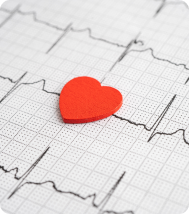
An electrocardiogram (ECG) records the heart's electrical activity to identify abnormal rhythms, conduction problems or signs of previous heart damage that may contribute to heart failure.
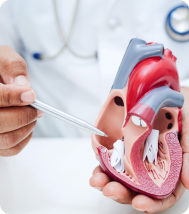
An echocardiogram uses ultrasound to assess the heart's structure, pumping function and valves. It is a key investigation for evaluating ejection fraction and identifying abnormalities associated with heart failure.
Cardiac stress testing assesses how the heart responds to physical exertion or medication-induced stress. It may be recommended when coronary artery disease or reduced blood supply to the heart is suspected.
CT coronary angiography provides detailed images of the coronary arteries to identify narrowing or blockages that could contribute to impaired heart function.
Cardiac PET imaging can assess blood flow to the heart muscle and, in selected cases, myocardial viability or inflammation. It may help clarify underlying causes when more specialised evaluation is required.
Blood tests may include BNP or NT-proBNP measurements, which help assess whether symptoms are related to heart failure. Other tests evaluate kidney function, electrolytes and medical conditions that may contribute to the disease.
A chest X-ray can identify heart enlargement or fluid congestion in the lungs, providing supporting information when heart failure is suspected.
Heart failure treatment aims to relieve symptoms, improve heart function and reduce the risk of complications. It may include:
Patients may be advised to reduce sodium intake, monitor their weight, remain physically active within safe limits and manage fluid intake when necessary. Smoking cessation, limiting alcohol consumption and controlling existing medical conditions can also support heart health.
Medications help reduce strain on the heart, manage fluid retention and improve long-term outcomes.
Cardiac rehabilitation combines supervised exercise, education and lifestyle guidance to help patients improve physical fitness, exercise tolerance and quality of life.
When coronary artery disease contributes to heart failure, coronary angiography may be used to assess narrowed or blocked arteries. Angioplasty and stenting may then be considered to restore blood flow in suitable patients. This may follow coronary angiography.
Patients with significant heart valve disease may require valve repair or replacement to improve blood flow and reduce strain on the heart. Treatment options include catheter-based procedures and cardiac surgery.
Selected patients may benefit from pacemakers to manage slow heart rhythms, cardiac resynchronisation therapy (CRT) to improve pumping coordination or implantable cardioverter defibrillators (ICDs) to protect against dangerous heart rhythms.
Not all cases of heart failure can be prevented, particularly those associated with inherited or congenital heart conditions. However, managing cardiovascular risk factors and treating underlying heart disease early can reduce the likelihood of developing heart failure.
Preventive measures include:
Managing existing medical conditions: Keeping blood pressure, diabetes and cholesterol levels under control to reduce cardiovascular damage.
Maintaining a heart-healthy lifestyle: Following a balanced diet, exercising regularly and maintaining a healthy body weight.
Avoiding harmful habits: Stopping smoking and limiting alcohol consumption to protect the heart and blood vessels.
Attending appropriate cardiovascular assessments: Undergoing heart screening when indicated by symptoms, medical history or risk factors.
Treating heart conditions early: Seeking timely care for coronary artery disease, heart valve disorders and other conditions that can affect heart function.
For people already identified as being at risk of heart failure, regular medical follow-up can help detect changes in cardiovascular health and guide preventive treatment.
Some patients with heart failure can experience significant improvements in symptoms and heart function, particularly when the underlying cause is treatable. However, the extent of recovery varies depending on the severity of the condition and response to treatment.
Even when heart function improves, ongoing medication, lifestyle adjustments and regular cardiology follow-up remain important to maintain stability and reduce the risk of heart failure worsening or recurring.
You should seek medical assessment if you experience symptoms that suggest possible heart failure, particularly if they are persistent, worsening or affecting your daily activities.
Seek emergency medical attention if you experience chest pain, sudden severe breathlessness, fainting or palpitations accompanied by severe dizziness.
Heart failure requires ongoing care to manage symptoms, address underlying cardiovascular conditions and reduce the risk of deterioration. As treatment needs can change over time, regular assessment is important for evaluating heart function and determining whether adjustments are necessary.
At EH Heart Specialist, Senior Consultant Cardiologist Dr Eric Hong provides personalised care and regular assessment for patients with heart failure. He takes time to understand each patient's symptoms and medical history, assess how well their heart is functioning and identify conditions that may be contributing to heart failure. These findings help him recommend suitable treatments and develop a care plan that addresses both immediate concerns and long-term heart health.
If you have been diagnosed with heart failure or are experiencing symptoms that require evaluation, schedule a consultation with our clinic to review your condition and discuss suitable treatment options.
Heart failure is the broader term for a condition in which the heart cannot pump blood effectively enough to meet the body's needs. Congestive heart failure refers to heart failure accompanied by fluid build-up, which can cause symptoms such as swelling in the legs and breathlessness. The terms are often used interchangeably, although not all patients with heart failure experience significant fluid congestion.
Yes, regular physical activity is generally beneficial for people with stable heart failure. Appropriate exercise can improve fitness, stamina and quality of life. However, the type and intensity of exercise should be guided by a cardiologist, particularly for patients with severe symptoms or recent hospitalisations. Exercise should be avoided during episodes of acute or worsening heart failure until the condition has stabilised.
Patients who are newly diagnosed or undergoing medication adjustments may require more frequent reviews, while those with stable heart failure may have appointments every few months.
No. Many patients with heart failure can manage their condition through medication, lifestyle changes and regular monitoring without surgery. Procedures may be considered when heart failure is associated with conditions such as significant coronary artery disease or heart valve disease, or when advanced heart failure requires specialised treatment.