








Heart Disease Treatment in Singapore
MB BCh (Ireland), MRCP (United Kingdom), FAMS (Cardiology), DIP (CBNC, USA), FSCAI (SCAI, USA),FACC (ACC, USA), FESC (European Society of Cardiology, France), FRCP (Edinburgh, United Kingdom)
Overview
What is Heart Disease?
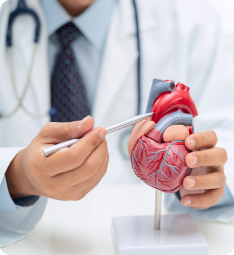
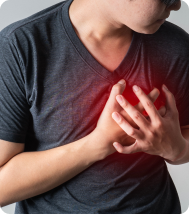
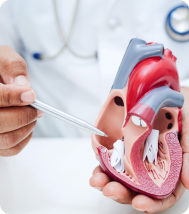
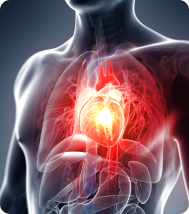
Heart (cardiovascular) disease refers to a range of conditions affecting the heart and blood vessels. One of the primary causes is atherosclerosis, a condition characterised by the narrowing and hardening of arteries due to plaque buildup, typically from high cholesterol levels. This plaque can eventually obstruct blood flow to the heart, resulting in complications like chest pain or heart attacks.


Common Types of Heart Disease
Risk Factors for Heart Disease
Certain factors increase the risk of heart disease. These include:
- Chronic conditions: Hypertension (high blood pressure), high cholesterol levels, and diabetes.
- Lifestyle: Smoking, unhealthy diet, physical inactivity, and chronic stress.
- Family History: Having a close family member with heart disease increases your risk.
- Age: The risk of heart disease increases with age, especially after 50
- Gender: Women in menopause, on oral contraceptives, or are pregnant face a higher risk.
Diagnosing Heart Disease
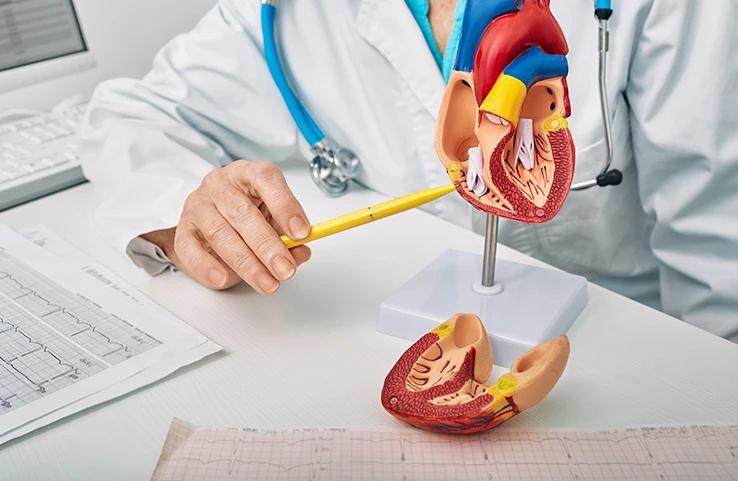
Early detection of heart disease is crucial for effective management and treatment. Various painless tests and procedures can be used to diagnose the condition and determine its severity:
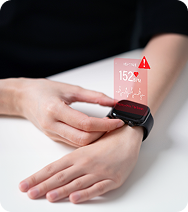
- Electrocardiogram (ECG/EKG): This test measures the heart's electrical activity to detect abnormalities in rhythm or damage to the heart muscle.
- Echocardiogram: This non-invasive test utilises ultrasound to generate detailed images of the heart and nearby blood vessels, helping to assess their structure and function.
- Stress Test (Exercise or Pharmacological): This test evaluates how the heart responds to stress, either through exercise or medication, to identify potential problems.
- Angiography: This X-ray test involves injecting a contrast dye into the coronary arteries to visualise blockages or narrowing in the arteries.
- Blood Tests: Blood tests help assess cholesterol levels, triglycerides, markers of inflammation, cardiac enzymes, and other substances in the blood that may indicate cardiovascular disease.
Treatment for Heart Disease
Treatment options for heart disease depend on the type of disease and the extent of its progression. Common treatments for heart disease include:
- Medications: These include beta-blockers, angiotensin-converting enzyme (ACE) inhibitors, or blood thinners (anticoagulants), which help lower blood pressure, control heart disease symptoms, and reduce complications.
- Angioplasty and Stenting: Angioplasty is a minimally invasive procedure that involves inserting a balloon-tipped catheter into a blocked or narrowed arterial wall. This catheter is inflated to widen the artery and improve blood flow to the heart muscle. In some cases, an expandable metal coil, called a stent, may be placed to prevent the artery from closing or narrowing again after angioplasty.
- Coronary Artery Bypass Grafting (CABG): In this procedure, healthy blood vessels are grafted onto the blocked artery to create new pathways for blood flow to the heart. These blood vessels are typically taken from the chest wall and veins in the leg. CABG is performed on patients with severe coronary artery disease to relieve symptoms and reduce the risk of heart attacks.
- Heart Transplantation: Heart transplantation is a treatment for end-stage heart disease. In this procedure, the patient's diseased heart is replaced with a healthy heart from a donor who has suffered brain death. This improves quality of life but requires lifelong medication to prevent the body from rejecting the transplant.
Minimising Heart Disease Risk
Want to keep your heart healthy? Here are some key strategies to lower your risk of heart disease:
Lifestyle Changes
Maintain a healthy weight, limit alcohol intake, and aim for 7 to 8 hours of quality sleep each night.
Heart-Healthy Diet
Eat a balanced diet rich in fruits, vegetables, whole grains, lean proteins, and low-fat dairy products. Limit the intake of saturated and trans fats, cholesterol, sodium, and added sugars.
Regular Physical Activity
Aim for at least 150 minutes of moderate-intensity exercise weekly (walking, cycling, swimming). Consult your doctor before starting new exercise programmes, especially if you have underlying health conditions.
Stop Smoking
Quitting smoking significantly improves heart health, especially for young adults. Stop-smoking aids can improve your chances of success.
Manage Stress Levels
Practice relaxation techniques like deep breathing, meditation, or yoga to reduce stress levels.
FAQs About Heart Disease
Some heart conditions can run in families due to inherited genes. These include:
- Cardiomyopathy
- Cardiac amyloidosis
- Heart arrhythmias
- Cardiac tumours
- Heart valve disease
- Marfan syndrome
- Familial hypercholesterolemia
Engaging in sexual activity is generally safe for individuals with stable heart disease. However, you should consult a specialist before resuming sexual activity if you have unstable angina, severe heart disease symptoms, or recently experienced a heart attack or heart failure.
Common heart diseases associated with ageing include:
- Coronary artery disease
- Congestive heart failure
- Arrhythmias
- Heart valve disease
- Heart attacks
This is due to natural changes in the cardiovascular system and an increased prevalence of risk factors like hypertension and diabetes. Regular medical check-ups and ongoing management are vital in maintaining good cardiovascular health as we age.
Prior heart disease in pregnancy raises risks for future pregnancies, especially if heart function has not recovered. Speak to your specialist about risks and planning for future pregnancies.
MB BCh (Ireland), MRCP (United Kingdom), FAMS (Cardiology), DIP (CBNC, USA), FSCAI (SCAI, USA), FACC (ACC, USA), FESC (European Society of Cardiology, France), FRCP (Edinburgh, United Kingdom)