









Atrial fibrillation (AFib)

MB BCh (Ireland), MRCP (United Kingdom), FAMS (Cardiology), DIP (CBNC, USA), FSCAI (SCAI, USA),FACC (ACC, USA), FESC (European Society of Cardiology, France), FRCP (Edinburgh, United Kingdom)
Atrial fibrillation (AFib) is one of the most common heart rhythm disorders and can affect individuals with or without noticeable symptoms. If left undiagnosed or inadequately managed, the condition can increase the risk of serious complications, including stroke and heart failure. Timely assessment and appropriate treatment are important for managing symptoms, reducing these risks and supporting long-term heart health.
Overview
- What Is Atrial Fibrillation?
- What Are the Different Types of Atrial Fibrillation?
- What Are the Symptoms of Atrial Fibrillation?
- What Complications Can Atrial Fibrillation Cause?
- What Are the Risk Factors for Atrial Fibrillation?
What Is Atrial Fibrillation?
Atrial fibrillation (AFib) is a heart rhythm disorder in which the upper chambers of the heart (atria) beat rapidly and irregularly due to abnormal electrical signals. Normally, the heart's electrical system produces coordinated signals that allow the chambers to contract in a steady, organised rhythm, known as normal sinus rhythm. In AFib, these signals become disorganised, causing the atria to quiver rather than contract effectively. This results in an irregular heartbeat that may also be faster than normal.
Because the atria do not contract effectively, blood can pool within the heart, particularly in a small pouch called the left atrial appendage, increasing the likelihood of blood clot formation. If a clot travels to the brain, it can cause a stroke.
Treatment for AFib generally focuses on controlling the heart rate, restoring or maintaining a normal rhythm where appropriate and reducing stroke risk through anticoagulant medication when indicated.
What Are the Different Types of Atrial Fibrillation?
Atrial fibrillation is classified into four main types based on the duration of episodes and whether a normal heart rhythm can be restored or is being actively pursued. These classifications help cardiologists understand how the condition progresses and guide treatment decisions.
Paroxysmal Atrial Fibrillation
Paroxysmal AFib occurs in episodes that start and stop, usually resolving within 48 hours but lasting up to 7 days. The heart returns to its normal rhythm either spontaneously or with treatment. Episodes may recur at varying intervals.
Persistent Atrial Fibrillation
Persistent AFib refers to episodes that continue for more than 7 days without returning to a normal rhythm. Medical intervention, such as medication or electrical cardioversion, may be required to restore a normal heart rhythm.
Long-Standing Persistent Atrial Fibrillation
Long-standing persistent AFib occurs when the irregular heart rhythm continues uninterrupted for more than 12 months. Restoring a normal rhythm can become more challenging, although rhythm-control treatments may still be considered depending on the patient's condition.
Permanent Atrial Fibrillation
Permanent AFib refers to atrial fibrillation that is accepted by both the patient and cardiologist, with no further attempts planned to restore a normal heart rhythm. Treatment instead focuses on controlling the heart rate, managing symptoms and reducing the risk of complications, including stroke. The decision to classify AFib as permanent may be reassessed if the patient's condition or treatment goals change.
What Are the Symptoms of Atrial Fibrillation?
Atrial fibrillation can cause a range of symptoms, although their severity and frequency vary between individuals. Some people experience sudden episodes of discomfort, while others notice persistent changes in their heartbeat or physical stamina. Common symptoms include:
- Heart palpitations: A fluttering, pounding or irregular heartbeat.
- Chest discomfort: A sensation of tightness, pressure or uneasiness in the chest.
- Fatigue: Unusual tiredness or weakness, even after adequate rest.
- Reduced exercise tolerance: Becoming tired or breathless more quickly during activities that were previously manageable.
- Rapid heartbeat: A racing heart rate, even while resting.
- Breathlessness: Difficulty breathing during physical activity or at rest.
- Dizziness: Feeling lightheaded or unsteady, particularly during episodes of rapid heartbeat.
- Fainting: Temporary loss of consciousness, which is less common and requires prompt medical assessment.
These symptoms do not necessarily indicate AFib, but further assessment can help determine whether an underlying heart rhythm disorder is responsible. Some individuals with AFib experience no noticeable symptoms, and the condition is only discovered during a routine health screening.
What Complications Can Atrial Fibrillation Cause?
Atrial fibrillation can increase the risk of several cardiovascular complications. These include:
Stroke
AFib can cause blood to pool in the atria, increasing the risk of blood clots. If a clot travels to the brain and blocks an artery, it can cause an ischaemic stroke.
Heart Failure
A persistently rapid or irregular heartbeat can reduce the heart's pumping efficiency, potentially contributing to heart failure or worsening an existing condition.
Cardiomyopathy
Prolonged periods of uncontrolled rapid heart rates can weaken the heart muscle, leading to reduced pumping function. This is known as tachycardia-induced cardiomyopathy.
Reduced Quality of Life
Recurring AFib episodes can affect exercise tolerance, sleep and daily activities. Persistent symptoms may also contribute to fatigue, anxiety and reduced physical stamina.
What Are the Risk Factors for Atrial Fibrillation?
Heart-Related Causes and Risk Factors
Certain cardiovascular conditions can place additional strain on the heart or cause structural changes that increase the likelihood of AFib. These include:
- Coronary artery disease: Reduced blood supply to the heart muscle can contribute to changes in its electrical activity.
- Heart valve disease: Narrowed or leaking valves from heart disease can increase pressure within the heart and cause enlargement of the atria.
- Heart failure: Changes in the heart's structure and pumping function can increase susceptibility to abnormal rhythms.
- Hypertension: Long-standing high blood pressure can cause the heart muscle to thicken and the atria to enlarge.
- Previous heart attack: Damage or scarring of the heart muscle from a previous heart attack can interfere with normal electrical signalling.
- Cardiomyopathy: Diseases affecting the heart muscle can alter its structure and electrical function.
- Congenital heart disease: Certain structural heart abnormalities present from birth can increase the risk of developing AFib.
Non-Cardiac Causes and Risk Factors
AFib can also be associated with medical conditions and lifestyle factors that influence cardiovascular health, including:
- Thyroid disorders: An overactive thyroid can increase heart rate and trigger abnormal heart rhythms.
- Diabetes: Long-term metabolic and cardiovascular changes associated with diabetes can increase AFib risk.
- Obesity: Excess body weight can contribute to atrial enlargement and increased pressure on the heart.
- Sleep apnoea: Repeated interruptions in breathing during sleep can affect oxygen levels and place strain on the cardiovascular system.
- Chronic kidney disease: Changes in fluid balance, blood pressure and electrolyte levels can increase susceptibility to AFib.
- Lung disease: Chronic respiratory conditions can place additional strain on the heart and contribute to rhythm disturbances.
- Alcohol intake: Heavy or binge drinking can trigger AFib episodes, even in individuals without known heart disease.
- Ageing: The risk of AFib increases with age as structural and electrical changes develop within the heart.
When Should You See a Cardiologist for Atrial Fibrillation?
You should consider seeing a cardiologist if you experience recurring palpitations, an unusually rapid or irregular heartbeat, unexplained breathlessness or a noticeable decline in exercise tolerance. This is particularly relevant if you have any of the risk factors mentioned above.
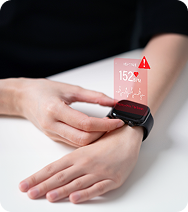
Assessment is also recommended if an irregular heart rhythm is detected during a health screening, through an ECG or by a wearable device, even in the absence of symptoms.
Seek emergency medical attention if you experience severe chest pain, fainting, significant breathing difficulty or sudden signs of a stroke, such as facial drooping, arm weakness or speech difficulties.


How Is Atrial Fibrillation Diagnosed?
Atrial fibrillation is diagnosed by recording the heart's electrical activity. As AFib can occur intermittently, monitoring may need to be carried out over an extended period of time.
Medical History and Physical Examination
The cardiologist will review the patient's symptoms, medical history, existing conditions, medications and possible AFib triggers. A physical examination may include checking the pulse, blood pressure and listening to the heart for signs of an irregular rhythm or underlying cardiovascular disease.
Electrocardiogram (ECG)
An electrocardiogram (ECG) records the heart's electrical signals through electrodes placed on the skin. It is the primary test used to confirm AFib by identifying characteristic changes in the heart rhythm, including irregular intervals between heartbeats and the absence of distinct normal P waves.
Holter Monitor
A Holter monitor is a portable ECG device that continuously records heart rhythm, commonly over 24–48 hours or longer. It can help detect intermittent AFib episodes that are not captured during a standard ECG. For less frequent symptoms, extended monitoring with other ambulatory ECG devices may be recommended.
Echocardiogram
An echocardiogram uses ultrasound to assess the heart's structure and pumping function. It can identify abnormalities such as enlarged atria, heart valve disease or reduced heart function that may contribute to AFib or influence treatment decisions. Although it does not directly confirm AFib, it provides important information about the patient's overall cardiac health.
Blood Tests
Blood tests may be performed to identify medical conditions that contribute to AFib or affect its management. These commonly include thyroid function, kidney function and electrolyte levels.
Cardiac Imaging (When Appropriate)
Additional cardiac imaging, such as cardiac CT or MRI, may be considered when more detailed information about the heart's anatomy or underlying disease is required. For example, cardiac CT may help assess the pulmonary veins before certain catheter ablation procedures, while cardiac MRI can provide information about heart muscle abnormalities.
How Is Atrial Fibrillation Treated?
Treatment for atrial fibrillation focuses on controlling the heart rate or rhythm, relieving symptoms and reducing the risk of complications. The recommended approach depends on the patient's symptoms, stroke risk, age, overall health and any underlying heart disease. Treatment options include:
Maintaining a healthy weight, exercising regularly, limiting alcohol and managing conditions such as hypertension and sleep apnoea can help reduce episodes and support treatment effectiveness.
Medication may be prescribed to slow the heart rate or help maintain a normal rhythm. Anticoagulants may also be recommended to reduce stroke risk, depending on the patient's individual risk assessment.
Electrical cardioversion delivers a controlled electrical shock to the heart under sedation to restore a normal rhythm. It may be considered when AFib persists or causes significant symptoms.
Catheter ablation uses thin tubes inserted through blood vessels to deliver energy to areas of heart tissue responsible for triggering AFib. It may be recommended when medications are ineffective, unsuitable or when an early rhythm-control approach is appropriate.
Surgery is generally reserved for selected patients, particularly those undergoing another heart operation. These procedures aim to interrupt abnormal electrical pathways in the atria and help restore a more regular heart rhythm.
Can Atrial Fibrillation Be Cured?
Atrial fibrillation can often be treated successfully, but a permanent cure cannot always be guaranteed. Instead, treatment aims to restore or maintain a normal heart rhythm where possible, control symptoms and reduce the risk of complications. As AFib can recur even after successful treatment, ongoing management remains important.
How Can Atrial Fibrillation Be Managed Long Term?
Long-term AFib management focuses on maintaining heart rhythm or rate control, preventing complications and monitoring changes in the condition. This may involve:
- Regular cardiology follow-up
- Monitoring symptoms and heart rhythm
- Reviewing medications and treatment effectiveness
- Continuing stroke prevention measures when indicated
- Maintaining heart-healthy lifestyle habits
- Managing associated cardiovascular conditions
- Adjusting treatment according to long-term health goals
Can Atrial Fibrillation Be Prevented?
Not all cases of AFib can be prevented, but managing cardiovascular risk factors and maintaining healthy habits can help reduce the likelihood of developing the condition. Recommended measures include:
- Keeping blood pressure under control
- Maintaining a healthy body weight
- Engaging in regular physical activity
- Limiting alcohol consumption
- Managing diabetes and blood glucose levels
- Seeking treatment for sleep apnoea
- Avoiding smoking
Why Choose EH Heart Specialist for Atrial Fibrillation Management?
Rather than simply addressing symptoms as they arise, effective AFib management requires a comprehensive strategy that goes beyond immediate treatment to address the underlying factors that influence heart health.
At EH Heart Specialist, Senior Consultant Cardiologist Dr Eric Hong provides assessment and management of atrial fibrillation with these considerations in mind. Drawing on his experience in cardiology and cardiac imaging, he evaluates heart rhythm abnormalities and underlying cardiovascular conditions to guide treatment decisions.
If you have been diagnosed with AFib or are concerned about an irregular heartbeat, schedule a consultation with Dr Eric Hong for further assessment and treatment advice.
Frequently Asked Questions (FAQs) About Atrial Fibrillation
Yes, many people with AFib can continue exercising, particularly when their heart rate and symptoms are well controlled. Moderate activities such as walking, swimming and cycling can support cardiovascular health. However, exercise intensity may need to be adjusted according to your heart function, symptoms and treatment plan. Consult your cardiologist before starting strenuous exercise.
Not necessarily. Some patients may be able to reduce or discontinue certain heart rate or rhythm-control medications following successful treatment. Anticoagulants may still be required to reduce stroke risk, even if a normal heart rhythm has been restored.
Yes, atrial fibrillation becomes increasingly common with age, particularly among adults over 65. Age-related changes in the heart's structure and electrical system can increase susceptibility to irregular rhythms.

MB BCh (Ireland), MRCP (United Kingdom), FAMS (Cardiology), DIP (CBNC, USA), FSCAI (SCAI, USA), FACC (ACC, USA), FESC (European Society of Cardiology, France), FRCP (Edinburgh, United Kingdom)
His clinical interests include heart rhythm disorders, heart failure, cardiac rehabilitation, sports cardiology and advanced cardiac imaging, allowing him to deliver comprehensive, personalised care for patients with a wide range of heart conditions, including atrial fibrillation (AFib).
