







No. Cardiomyopathy is a disease of the heart muscle, whereas heart failure is a clinical syndrome in which the heart cannot pump or fill effectively enough to meet the body's needs. Cardiomyopathy can lead to heart failure, but the terms do not mean the same thing.
What Are the Early Signs of Cardiomyopathy?

Dr Eric Hong
Senior Consultant Cardiologist & Internal Medicine Physician
MB BCh (Ireland), MRCP (United Kingdom), FAMS (Cardiology), DIP (CBNC, USA), FSCAI (SCAI, USA), FACC (ACC, USA), FESC (European Society of Cardiology, France), FRCP (Edinburgh, United Kingdom)

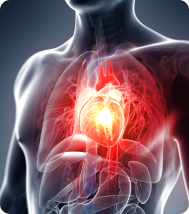
Cardiomyopathy is a condition that affects the heart muscle and can interfere with the heart's ability to pump blood effectively. Its symptoms may develop gradually and subtly, making it important to understand what the early warning signs can look like.
While cardiomyopathy cannot be diagnosed based on symptoms alone, taking note of these early signs can help you recognise when a medical assessment may be needed.
How Might Cardiomyopathy Affect Your Daily Life?
Cardiomyopathy can affect your ability to carry out everyday activities comfortably, particularly when your heart has difficulty meeting your body's demands. You may notice changes in your stamina, energy levels or physical comfort, including the following symptoms.
Breathlessness and Reduced Exercise Tolerance
You may notice that activities you previously managed comfortably start to require more effort. Walking up a familiar flight of stairs or exercising at your usual level may leave you more breathless than before.
The important point is the change from your own baseline. Becoming short of breath does not necessarily mean you have cardiomyopathy, since fitness levels, respiratory conditions and other health issues can produce similar symptoms.
Unusual Fatigue
Cardiomyopathy can sometimes be associated with persistent tiredness or a sense that normal activities require more energy than they used to.
Unlike ordinary tiredness after physical exertion, this fatigue may occur even when you have had adequate rest or have not been particularly active.
Palpitations and Episodes of Dizziness or Fainting
Some people become more aware of their heartbeat, describing sensations such as pounding, fluttering or an unusually fast heartbeat. These palpitations may occur because cardiomyopathy can sometimes be associated with abnormal heart rhythms.
Changes in heart rhythm or the heart's ability to maintain adequate circulation may also contribute to light-headedness or fainting. These episodes can have causes unrelated to cardiomyopathy, so the surrounding circumstances matter.
Swelling or Chest Discomfort
Fluid can sometimes accumulate when the heart is not pumping effectively, which may cause swelling around the ankles, feet or lower legs.
Chest discomfort may occur in some forms of cardiomyopathy, but the sensation and circumstances can vary considerably. It should not be used to distinguish cardiomyopathy from other heart conditions based on symptoms alone.
When Should Possible Cardiomyopathy Symptoms Be Checked?
An isolated symptom may have a straightforward explanation. A pattern that persists or represents a clear departure from your usual health can be more informative when deciding whether further assessment is appropriate.
When Symptoms Persist or Become More Noticeable
A symptom that occurs once and settles may have a temporary explanation. More attention is warranted when the same problem keeps returning, lasts longer than expected or gradually becomes more noticeable.
A change in what you can comfortably do can also be a useful context. If everyday activities that were previously manageable are becoming harder without a clear reason, a cardiac assessment may help determine whether the heart is contributing to the change.
If You Have a Family History of Cardiomyopathy
Some forms of cardiomyopathy can run in families, so having a close relative with the condition may increase your risk. If a parent, sibling or child has been diagnosed with cardiomyopathy, or there is a family history of unexplained sudden cardiac death, a cardiac assessment may be recommended even if you have no noticeable symptoms.
When Symptoms Need Urgent Medical Attention
Some symptoms require immediate medical attention rather than waiting for a routine cardiology appointment. Seek emergency medical care if you experience any of the following:
- Severe or persistent chest pain, particularly if accompanied by breathlessness, sweating or dizziness.
- Severe difficulty breathing, especially when it occurs suddenly or while resting.
- Fainting or sudden collapse, particularly during physical activity or when accompanied by palpitations.
- Sudden, significant worsening of symptoms, such as rapidly increasing breathlessness, severe weakness or a marked deterioration in your overall condition.

How Can Cardiomyopathy Be Detected Early?
Cardiomyopathy can sometimes be detected before symptoms become pronounced. Establishing whether it is present depends on clinical assessment and appropriate testing rather than symptoms alone.
Initial Clinical Assessment
A doctor may first review when your symptoms began and how they have changed, together with relevant medical history. Family history may also be considered where an inherited heart condition is suspected.
A physical examination can provide additional information before deciding which cardiac tests may be appropriate.
Checking the Heart's Electrical Activity and Rhythm
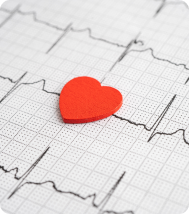
An electrocardiogram, or ECG, records the electrical activity of the heart. It can identify rhythm or conduction abnormalities that may be relevant to the symptoms being investigated, although an ECG alone cannot show every feature of cardiomyopathy.
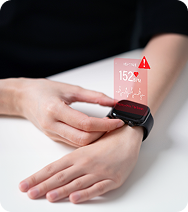
If episodes occur intermittently, longer-term rhythm monitoring may sometimes be useful because a short ECG performed in the clinic may not capture an abnormal rhythm that comes and goes.
Assessing Heart Structure and Function
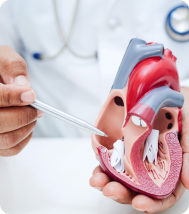
An echocardiogram uses ultrasound to create images of the heart while it is beating. It can show how effectively the heart is pumping and whether the heart muscle or chambers are abnormally thickened or enlarged.
Seeking Specialist Care for Cardiomyopathy With Dr Eric Hong
Recognising possible signs of cardiomyopathy and seeking timely medical assessment can help identify underlying heart problems and guide appropriate care. Early evaluation is particularly important when symptoms persist, worsen or begin to interfere with daily activities.
At EH Heart Specialist, Senior Consultant Cardiologist Dr Eric Hong provides specialist assessment and personalised care for patients with suspected or diagnosed heart conditions. Dr Hong takes a thorough, individualised approach to understanding each patient's symptoms and cardiac health, helping guide appropriate investigations and treatment decisions.
Contact us to arrange an appointment for a comprehensive cardiac assessment if you are experiencing persistent or unexplained symptoms.
Frequently Asked Questions (FAQs) About Early Signs of Cardiomyopathy
No. Some people with cardiomyopathy remain stable for years, while others experience a gradual decline in heart function or worsening symptoms. The progression varies according to the type of cardiomyopathy and the individual's condition. Regular follow-up helps monitor these changes and adjust treatment when needed.
Yes. Cardiomyopathy can affect people at different ages. Some forms are inherited, while others are acquired as a result of another condition or contributing factor and may therefore develop later in life. The age at which cardiomyopathy becomes apparent also varies depending on the type involved.